What Should I Know Before Buying Wholesale Lingerie?
Buying Wholesale Lingerie is not a casual sourcing decision—it is a strategic business move that directly affects your brand positioning, profit margins, customer loyalty, and long-term scalability. Whether you are a boutique owner, an online seller, or an e-commerce entrepreneur aiming to dominate your niche, understanding how wholesale, customization, and manufacturing services truly work is non-negotiable.
Too many sellers jump into Wholesale Bras, Wholesale Underwear, or Wholesale Shapewear purchases blindly, seduced by low prices but burned by poor quality, inconsistent sizing, or unreliable suppliers. This article strips away the fluff and tells you exactly what matters before you place a wholesale order—so you can buy smarter, sell stronger, and scale faster.
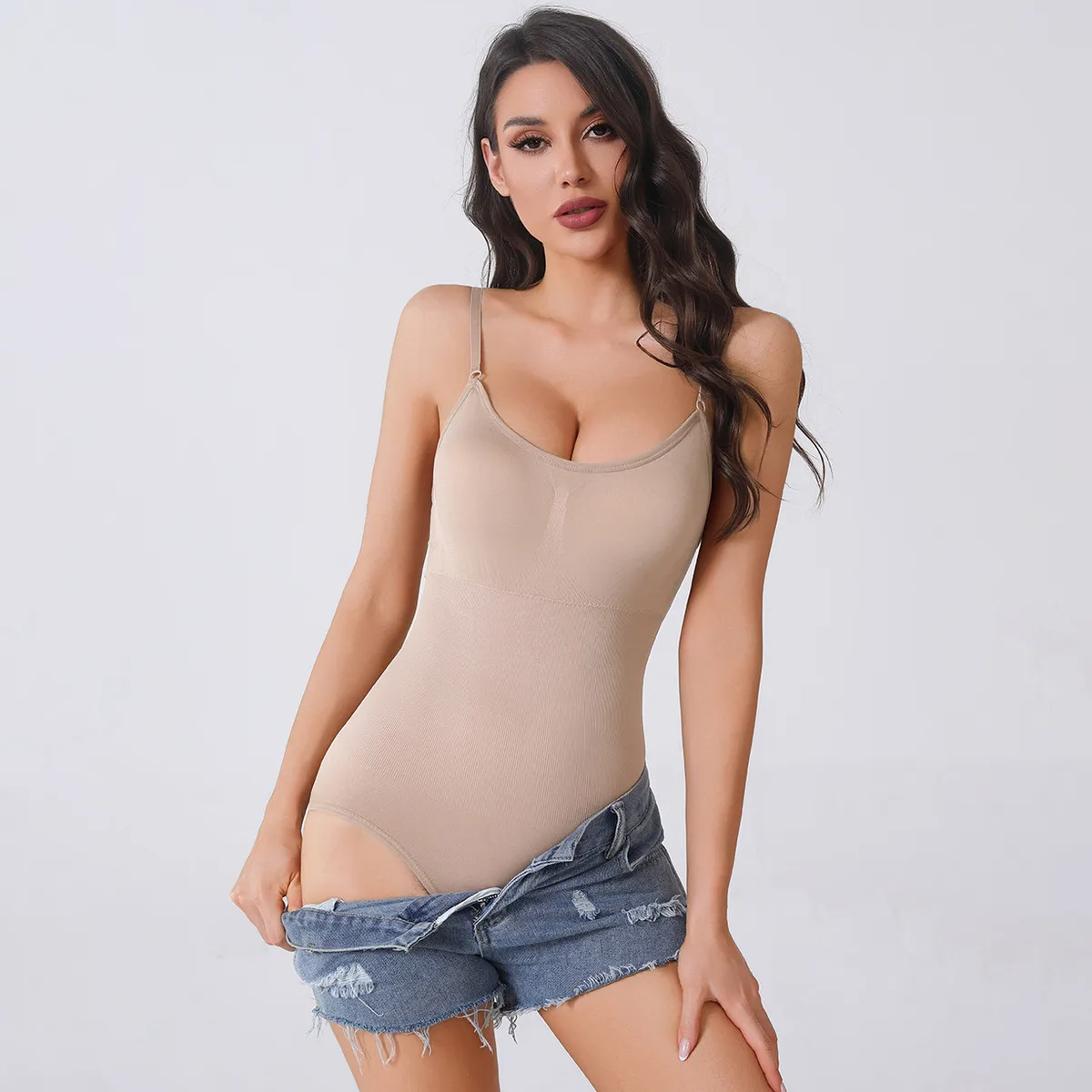
Wholesale Services: The Backbone of a Profitable Lingerie Business
Wholesale services exist for one core reason: to supply retailers and sellers with volume, consistency, and pricing leverage. If you are selling lingerie without understanding how wholesale services operate, you are leaving money—and control—on the table.
At its core, wholesale lingerie sourcing is designed for retailers, online shop owners, marketplace sellers, and distributors who need steady inventory or frequent restocking. The defining feature is simple: the more you buy, the less you pay per unit. This tiered pricing structure is what makes Wholesale Lingerie a high-margin business when executed correctly.
Bulk Supply and Aggressive Price Advantages
Wholesale pricing is not charity—it is economics. Suppliers reward volume. Larger orders unlock lower unit costs, allowing you to price competitively while protecting margins. Smart buyers use this advantage to dominate pricing without sacrificing perceived value.
Many professional suppliers now allow mixed styles and mixed sizes within a single bulk order. This flexibility is critical when selling Wholesale Bras or Wholesale Underwear, where size diversity directly impacts sales velocity and return rates.
If your supplier forces rigid size or style minimums, you’re not working with a modern wholesaler—you’re working with a bottleneck.
Style Diversity Is No Longer Optional
The lingerie market is brutally competitive. Carrying only basic styles is a fast track to irrelevance. Strong wholesale suppliers offer a wide range of options, including:
-
Everyday basics
-
Fashion-forward seasonal designs
-
Holiday and promotional collections
-
Functional lingerie such as Wholesale Shapewear, seamless underwear, sports bras, and support-focused designs
Retailers who win are those who offer variety without inventory chaos. This is where wholesale service flexibility matters most.
Comprehensive Size Coverage Drives Revenue
Ignoring size inclusivity is no longer just a branding mistake—it’s a revenue mistake. A serious wholesaler must offer:
-
Standard sizes
-
Extended sizes
-
Adjusted fits
-
Plus Size Lingerie Wholesale options designed specifically for comfort and structure
Selling lingerie without inclusive sizing is equivalent to ignoring a massive portion of the market. Customers remember brands that fit them—and they abandon those that don’t.
Fast Shipping and Inventory Continuity
Some wholesalers focus on ready-to-ship inventory, while others provide scheduled replenishment systems linked to your sales rhythm. Both models have value, but you must know which one aligns with your business.
If you run flash sales or influencer campaigns, fast dispatch is non-negotiable. If you manage evergreen collections, synchronized restocking ensures continuity without overstock risk.
Understanding MOQ Without Fear
Minimum Order Quantity (MOQ) is not an enemy—it’s a filter. MOQs vary based on:
-
Style complexity
-
Fabric type
-
Customization level
MOQs can range from dozens of sets to thousands. The key is aligning MOQ with your sales velocity. Low MOQ suppliers suit testing phases. Higher MOQs suit scaling brands that already understand demand patterns.
Customization: Turning Lingerie Into a Brand, Not a Commodity
If wholesale is about price and volume, customization is about identity and differentiation. Any seller can buy Wholesale Lingerie. Only brands invest in Custom Lingerie.
Customization services exist for designers, private labels, and sellers who want to own their market—not rent it.
Design Freedom Is a Competitive Weapon
Customization allows you to control:
-
Style structure
-
Fabric selection
-
Color palettes
-
Lace, trims, and detailing
-
Functional elements such as compression or shaping
With Custom Lingerie, you’re no longer chasing trends—you’re setting them. Whether you’re building a luxury line or a functional Wholesale Shapewear collection, design control defines perceived value.
Suppliers typically accept design sketches, technical packs, or physical samples. The more precise your input, the more accurate the output.
Branding Through Labels and Identity
Private labeling transforms products into brand assets. OEM and ODM services allow you to add:
-
Custom logos
-
Branded hangtags
-
Washing labels
-
Packaging that reinforces your identity
Customers don’t fall in love with products—they fall in love with brands. Custom branding turns Wholesale Bras and Wholesale Underwear into repeat-purchase drivers.
Size and Fit Customization for Target Audiences
One of the most overlooked advantages of Custom Lingerie is fit control. You can adjust sizing to suit:
-
Regional body types
-
Niche markets
-
Curvy or athletic builds
-
Plus Size Lingerie Wholesale customers who are often underserved
Brands that invest in fit win loyalty. Loyalty drives lifetime value. Lifetime value drives scale.
Production Timelines Require Patience and Planning
Customization is not instant. From concept to sampling to confirmation to bulk production, timelines typically range from 15 to 45 days—or longer for complex designs.
This is not a drawback. It’s the cost of control. Sellers who plan ahead outperform sellers who rush.
Manufacturing Capabilities: What Serious Buyers Must Evaluate
Manufacturing services represent the deepest level of supplier capability. This is where real scalability happens.
A manufacturer handles everything—from raw materials to finished products. This level of control is essential for large orders, private labels, and brands planning long-term growth.
Equipment Defines Output Quality
Professional manufacturers operate with full production lines, including:
-
Fabric cutting systems
-
High-precision sewing machines
-
Lace and embroidery machines
-
Heat-bonding and seamless equipment
If a factory lacks modern equipment, expect inconsistency. Precision matters when producing Wholesale Shapewear or structured Wholesale Bras.
Material Control Is Profit Control
Manufacturing services allow you to choose or source materials based on:
-
Texture and softness
-
Elasticity and recovery
-
Breathability
-
Sustainability and compliance
Cotton, silk, synthetic fibers, lace, and blended fabrics each serve different market segments. Knowing your customer dictates your material choices—not supplier convenience.
Quality Control Is Non-Negotiable
Reputable manufacturers follow multi-stage inspection protocols:
-
Fabric inspection
-
Mid-production checks
-
Final size and appearance inspection
-
Packaging review
Without strict quality control, returns will destroy margins faster than bad marketing ever could.
Flexible Production Scale
Manufacturing is not just for massive brands. Many factories now offer:
-
Small-batch production for emerging brands
-
Large-scale output for wholesale distribution
This flexibility allows sellers to grow organically without switching suppliers mid-journey—a costly and risky move.
Strategic Thinking: How Smart Buyers Win the Wholesale Lingerie Game
Buying Wholesale Lingerie is not about finding the cheapest supplier—it’s about finding the right partner.
Winning sellers think beyond unit cost. They consider:
-
Supplier reliability
-
Quality consistency
-
Customization potential
-
Manufacturing scalability
They understand that Wholesale Underwear, Wholesale Bras, and Wholesale Shapewear are not interchangeable products—they serve different buying motivations and profit structures.
They invest early in Plus Size Lingerie Wholesale because inclusion sells.
They transition into Custom Lingerie because branding compounds value.
They work with manufacturers who grow with them—not against them.
Most importantly, they treat lingerie sourcing as a business system, not a one-time purchase.
If you want to survive, you buy cheap.
If you want to scale, you buy smart.
If you want to dominate, you build control into every sourcing decision.
And that is what you must know before buying wholesale lingerie.


Comments
Post a Comment